GenAi Software: KlingAi & ComfyUI
Ai Voice Over: Eleven Labs
Ai Assistants: Co-Pilot & Claude
Sound: Freesound.org
Music: Pixabay.com
Post Production Editing: DaVinci Resolve
Overview
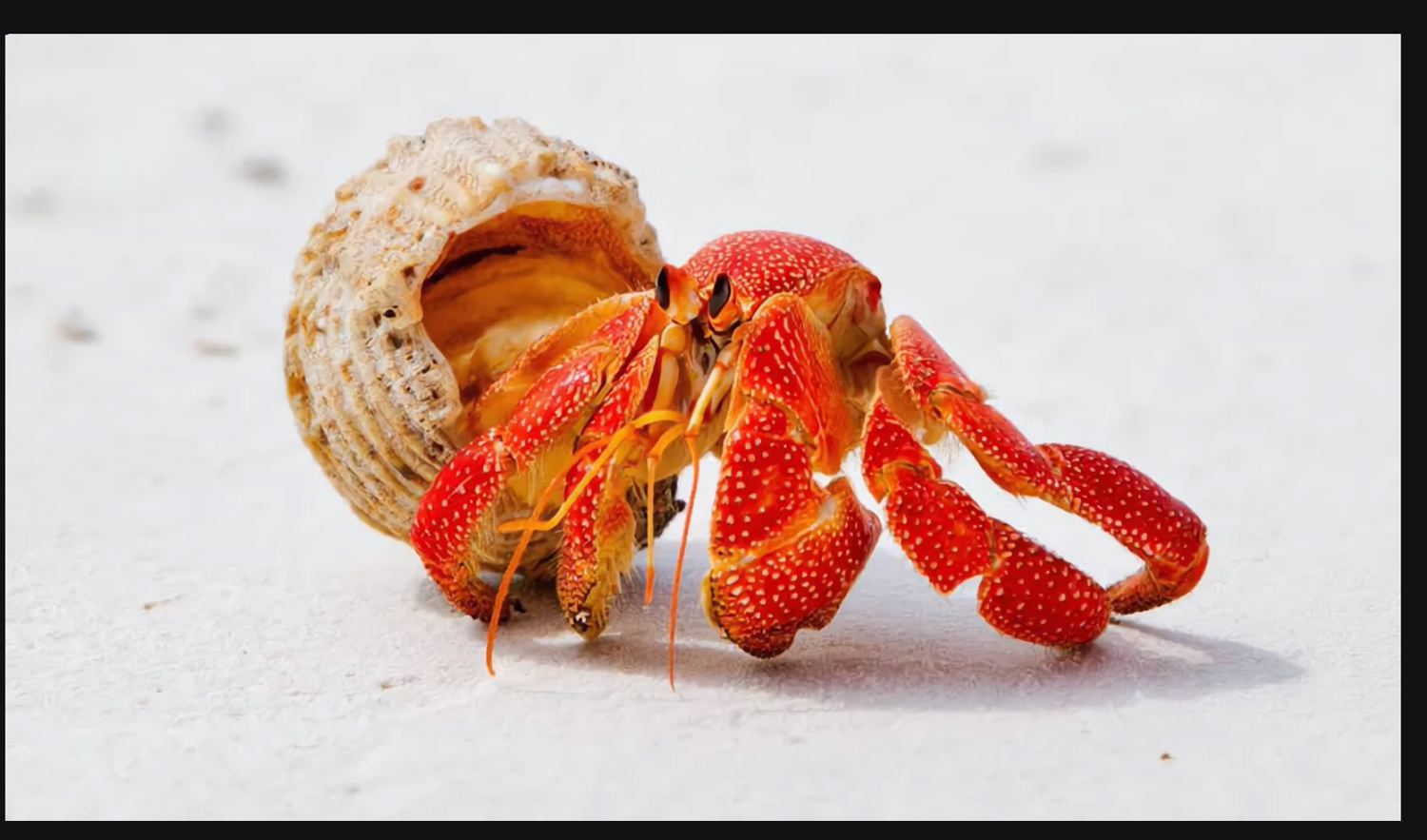
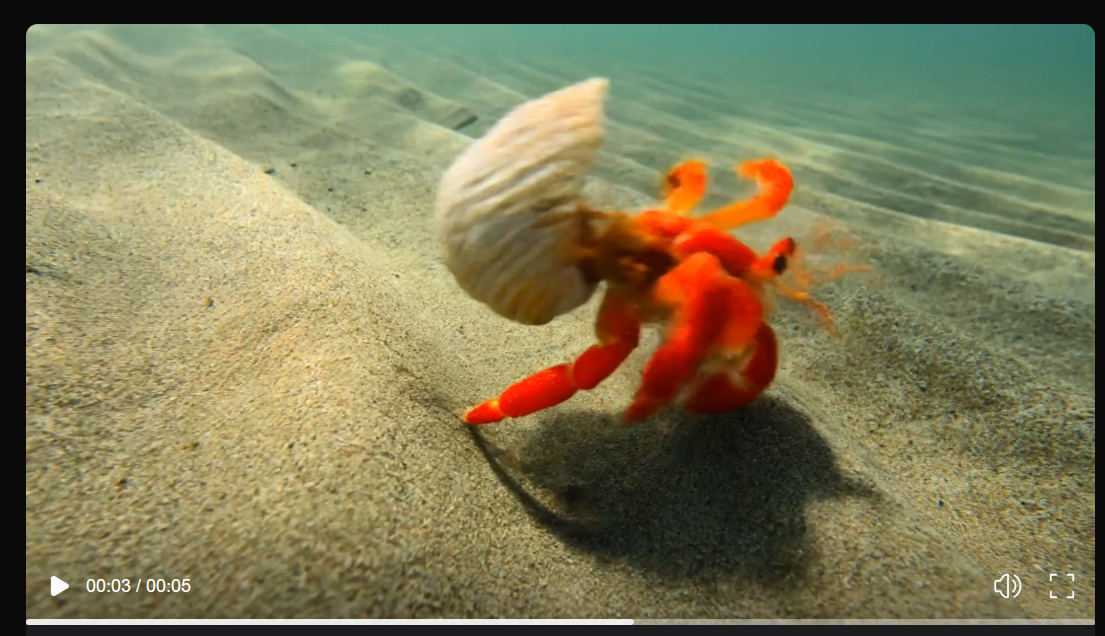
This technical study evaluates KlingAI’s ability to generate a realistic hermit crab shell‑change sequence within a Planet Earth–style macro environment. The goal was to determine whether the tool could maintain anatomical accuracy, identity continuity, and stable topology during a multi‑stage creature transition. The experiment revealed a clear boundary in KlingAI’s current model behavior, strong environmental and locomotion fidelity, but decisive breakdowns during topology‑changing events. Although KlingAi was the focus, ComfyUi was used initially for some of the reference pieces and backgrounds at the beginning of the project.
Creative Intent
The original concept was a naturalistic wildlife moment:
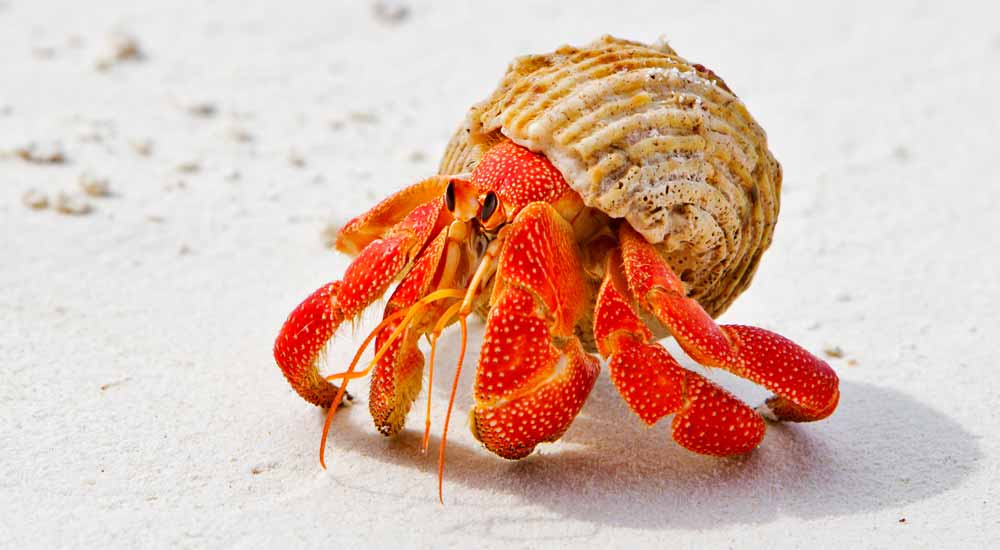
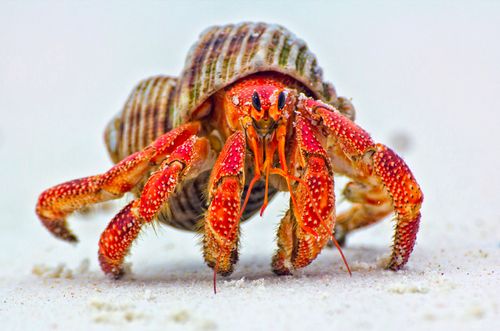
Red adult hermit crab
Thick legs, large claws
Brown/white spiral shell carried far behind the thorax
Warm, shallow underwater sand plate
Soft caustics, macro DOF
BBC‑style patient camera movement
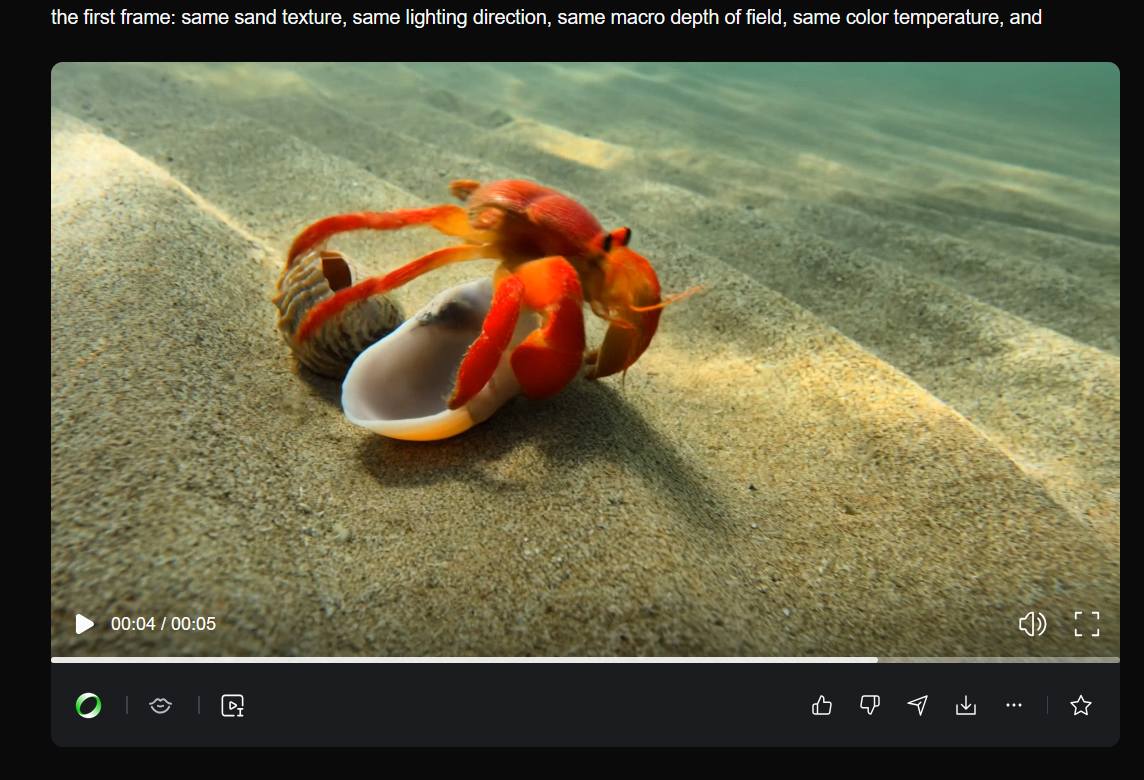
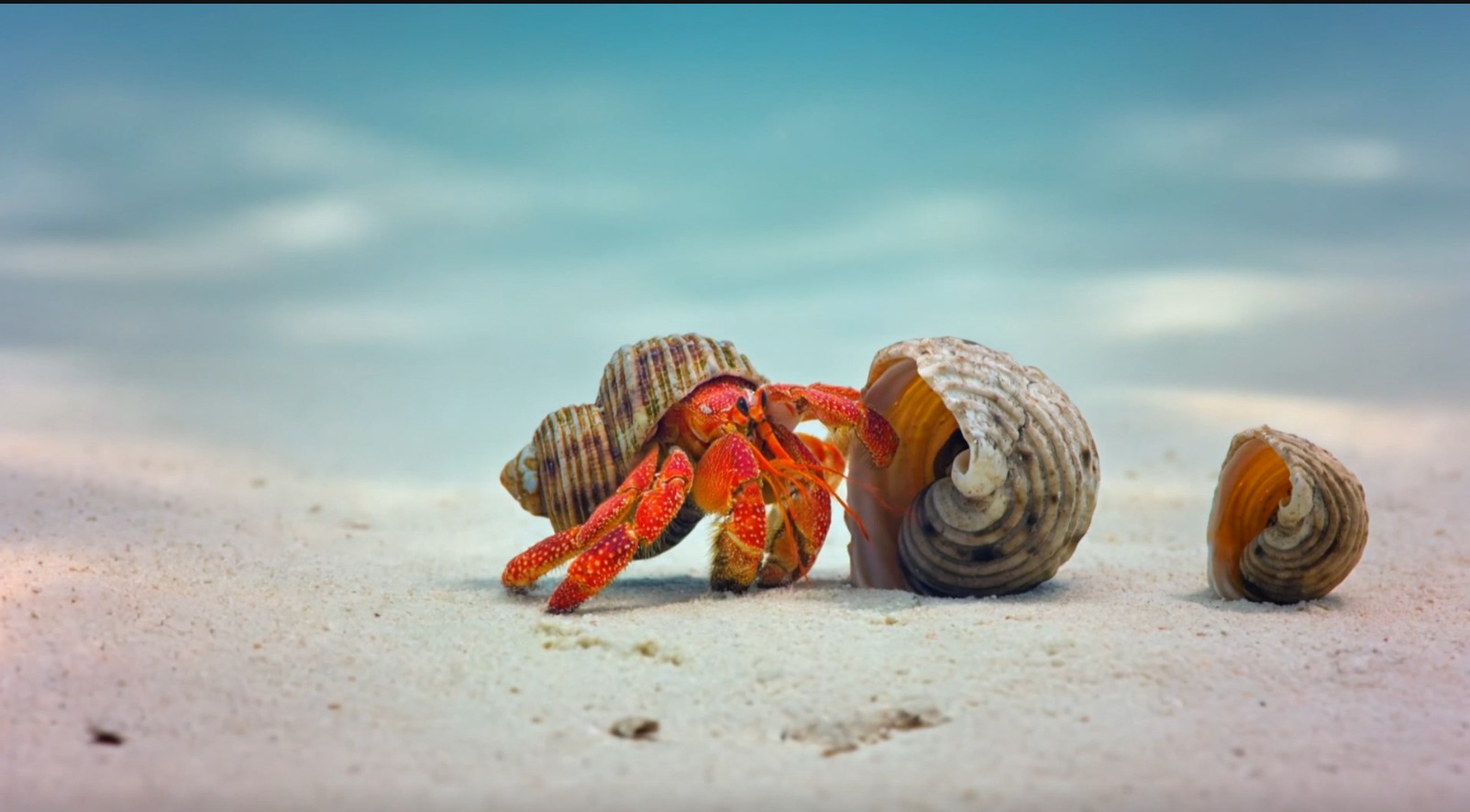
The planned action: approach → evaluate → exit shell → enter larger shell → walk away.
Methodology
Input & Constraints
Species anatomy strictly preserved
Abdomen never visible
No invented segments or removed limbs
Environment continuity maintained across all frames
Larger shell clearly defined as the viable candidate
Prompt enforced grounded, weight‑driven realism
Successful Behaviors
KlingAI performed well in early beats:
Steady, weight‑driven approach
Natural shell sway
Consistent lighting and caustics
Realistic evaluation behavior: antenna flicks, claw adjustments, subtle eye movement
These successes demonstrated strong motion and mood capabilities.
Failure Modes
The shell‑change moment exposed multiple model limitations.
Topology Failures
Back half of crab chopped off
Phantom limbs appearing/disappearing
Crab morphing into new shell
Old shell morphing into new shell
Incorrect behavior: crab grabs shell and walks off
Identity Drift
Shell color/type changes mid‑sequence
Crab color shifts
Species silhouette distortion
Motion Discontinuity
Phantom legs
Leg stuttering
Pose snapping
Temporal jitter
Transition Breakdown
No clean exit or entry moment
Anatomy invented or removed
Transition collapses or melts
These failures indicate KlingAI cannot currently maintain stable topology during complex anatomical transitions.
Salvaged Narrative
Due to consistent breakdowns at the transition moment, the shot was reframed:
The crab approaches, inspects the larger shell, decides against it, and walks away.
Tone: whimsical, observational, comedic.
VO: “He came… He looked… He had notes.”
This pivot preserved the strongest portions of the footage and transformed the experiment into a charming micro‑story.
Findings
Strengths
Environmental continuity
Macro lighting and caustics
Grounded locomotion
Subtle creature micro‑behavior
Cinematic wildlife tone
Limitations
Topology changes
Anatomical transitions
Identity preservation under occlusion
Multi‑stage creature actions
Temporal coherence during transitions
Pipeline Position
Effective for:
Previs
Mood boards
Early creature ideation
Non‑critical beats
Not yet reliable for:
Hero creature transitions
Anatomically precise actions
Shots requiring stable topology
Conclusion
This study demonstrates that KlingAI can produce compelling macro wildlife moments, but cannot yet support complex anatomical transitions such as a hermit crab shell change. The reframed narrative became a more valuable outcome: a clear map of where KlingAI belongs in a modern production pipeline, strong for ideation, limited for hero creature work.
GenAi Software: ComfyUI & KlingAi
Ai Assistants: Co-Pilot & Claude
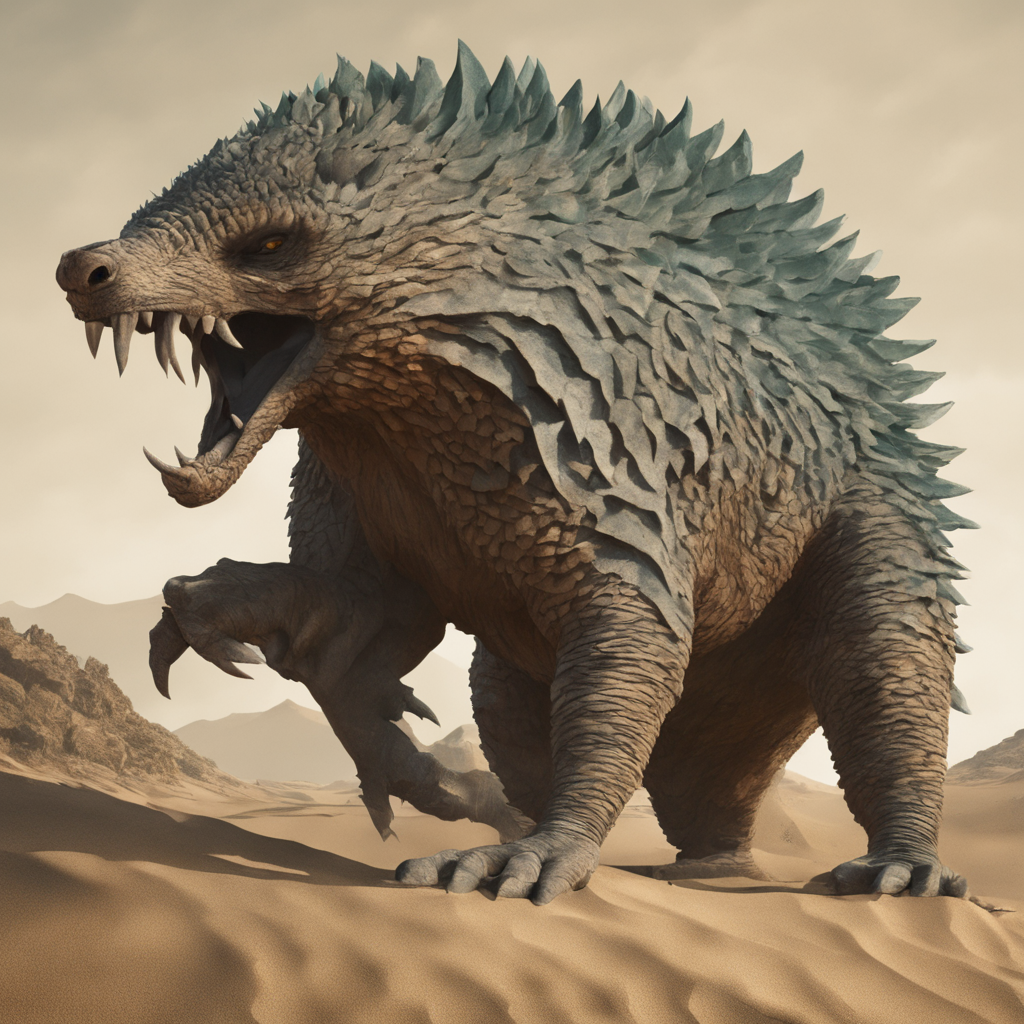
Sentinel is an ongoing character R&D project/study exploring identity consistency, multi‑angle control, and iterative refinement using a combined ComfyUI + Kling workflow. My love for Sci-Fi, Star Wars in particular, inspired me to create a short project that could reflect creatures not yet seen in that type of universe. The creature design is giant in size, but influenced by a cross of an armadillo and pangolin. The goal is to engineer a stable digital character that holds up across angles, lighting, and corrective passes.
Pipeline Approach
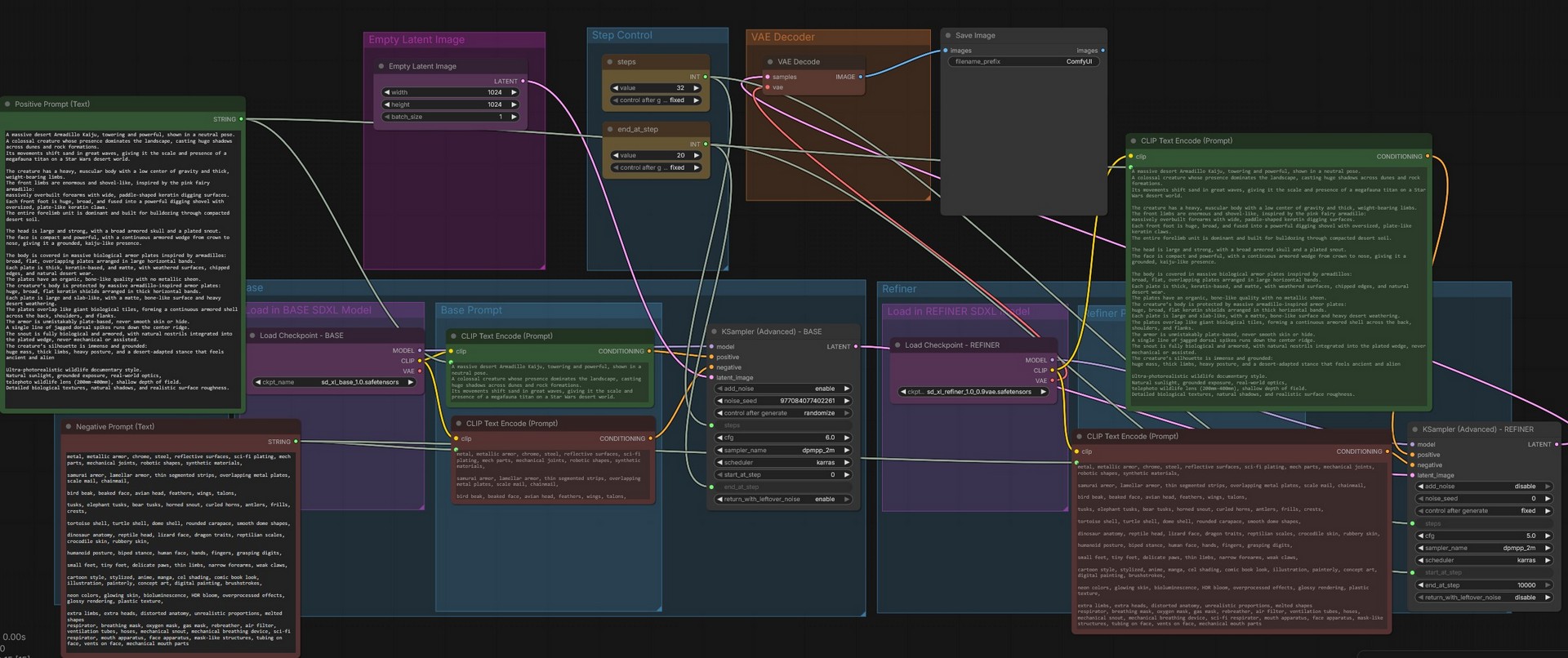
Sentinel begins in ComfyUI, where the character’s baseline identity, lighting, and conditioning are established. The node graph handles multi‑angle tests, latent stability, and repeatable seeds.
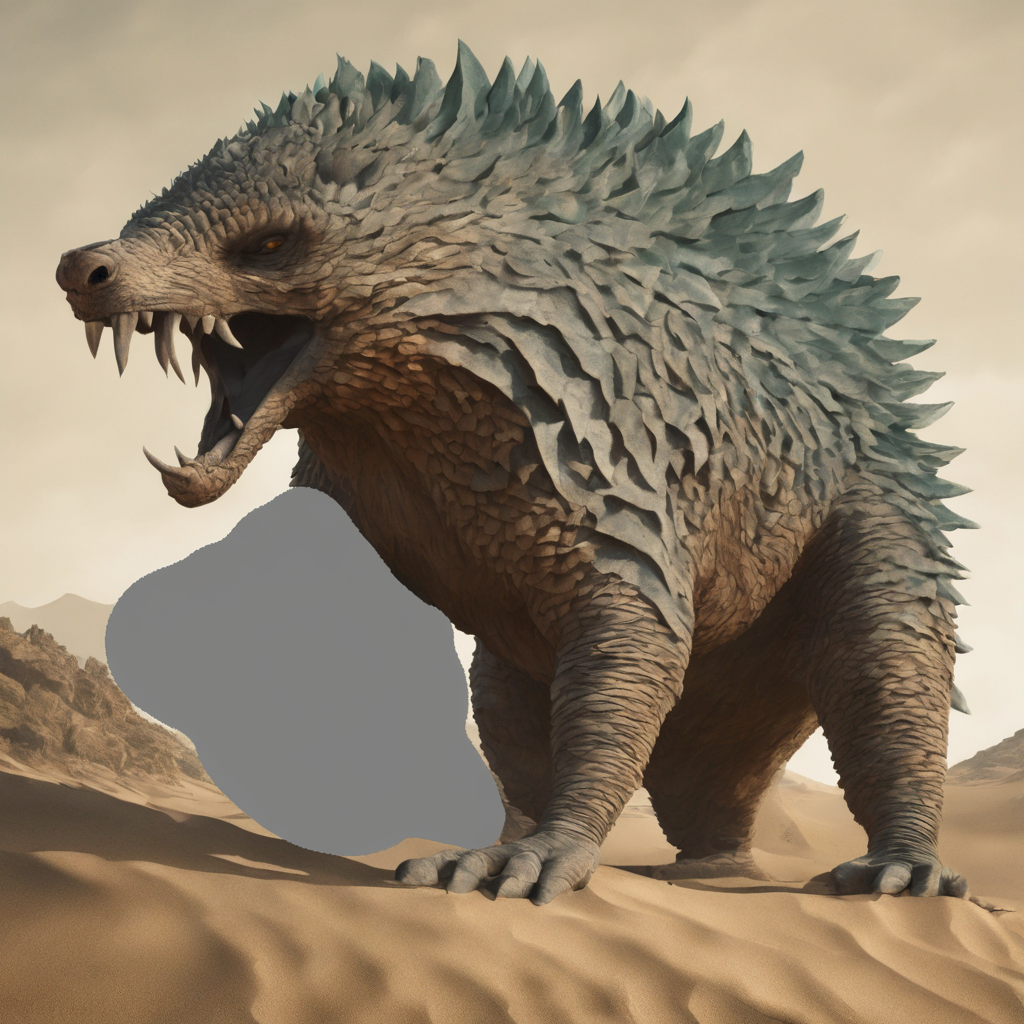
Kling is used as a secondary refinement tool for targeted corrections, especially anatomy fixes, pose adjustments, and small structural repairs that require precise masking.
Technical Focus
Identity consistency across front, ¾, and profile views
Controlled lighting and color temperature
Latent stabilization during multi‑pass refinement
Pose and expression control
Modular node structure for future animation work
Targeted inpaint corrections using Kling
Kling Integration
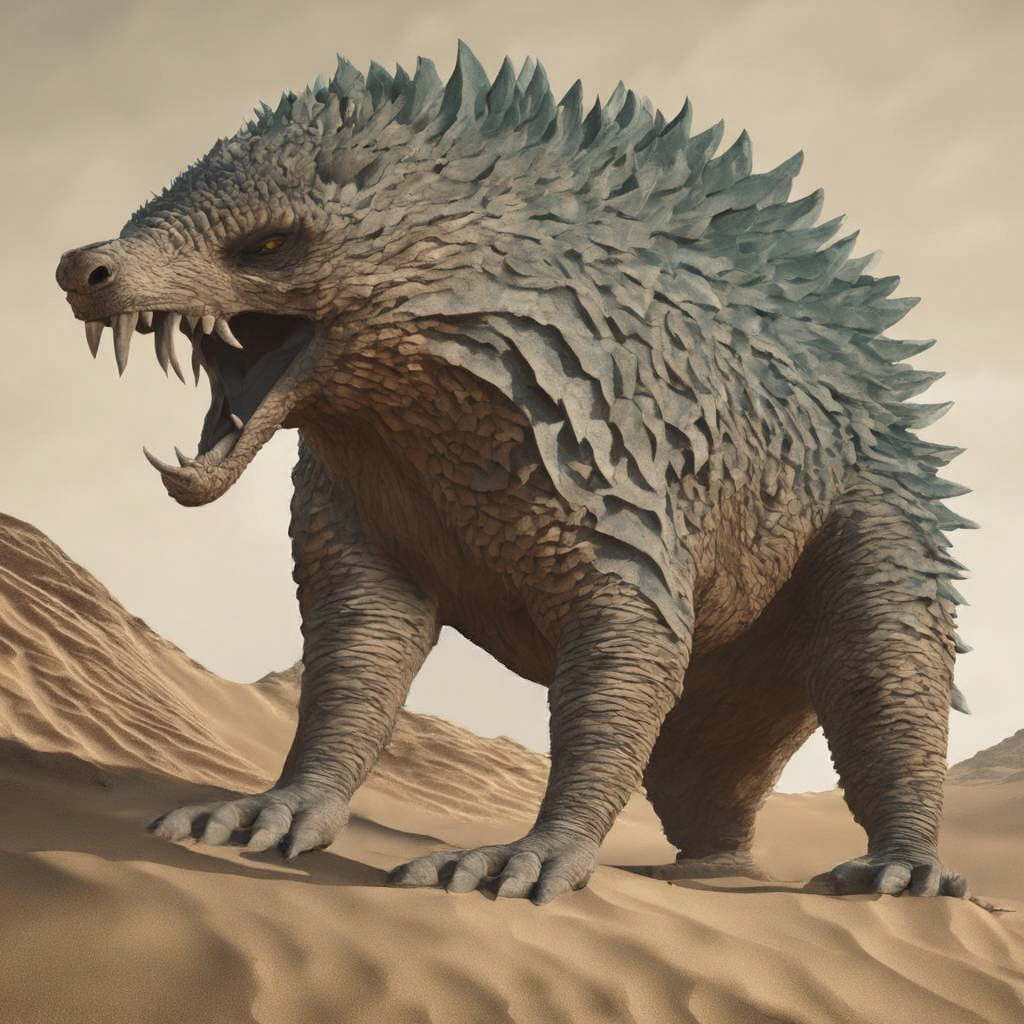
A Kling inpaint pass was used to correct the right leg while preserving the character’s anatomy and silhouette.
Current Progress
The base look is defined, early angle tests are stable, and the first functional ComfyUI graph is in place. Identity drift and lighting shifts are being addressed through iterative multi‑pass refinement and selective Kling corrections.
Roadmap
Finalize character bible
Expand pose/expression control
Improve multi‑angle consistency
Begin frame‑to‑frame motion tests
Integrate Resolve for finishing
Purpose
Sentinel serves as a personal project of creativity and technical demonstration of node‑based GenAI workflow, showing how a character could be imagined, engineered, stabilized, and prepared for future animation and motion work.